 |
| Mary Jane Candy |
So she prayed every day, longing for the blue eyes that she didn't have. She begged for her brown eyes to turn blue. Alas, after fervent praying, her eyes were still brown. She did not lose faith however, and believed that there must be a reason that her eyes were still brown. Later in life, she realized why eyes were brown. Over the years, she had decided be become a missionary, and worked in India often with young children. She realized that her brown eyes had allowed her to become close and precious to the children she worked with. Having blue eyes would make her seem foreign and she would never had been accepted or fit in with the community in India. Ultimately, her brown eyes proved to be empowering than if she had blue eyes.
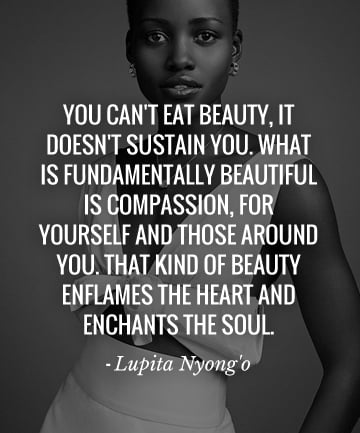
In the end, we should just be happy with what we have even if it doesn't fit society's standards of beauty, because "nothing makes a woman more beautiful that the belief that she is beautiful" (Sophia Loren).

Hey Annie,
ReplyDeleteI loved your use of the anecdote- it really strengthened your point. I also really like your choice of quote! Can't wait to read more!